Joint Development Agreements — how landowners partner with builders
In a JDA, you contribute land, the developer contributes construction and capital, and the built area (or revenue) is shared at an agreed ratio. The critical protections: a registered agreement (not a memorandum), a clear sharing ratio with a defined area statement, timelines with penalties, the developer's obligations on approvals and quality, and — essential — you retain title until your share is delivered as agreed.
A JDA is a marriage of assets: your plot, their machinery. The agreement is the prenup — unromantic, and the only thing that matters if the relationship sours.
A joint development agreement, usually called a JDA or a development agreement, is how many old houses in Kolkata become new buildings. The landowner brings the plot; the developer, called the promoter in the law, brings the design, the approvals, the money and the construction. When the building is finished, the built space, or the money from selling it, is shared in an agreed proportion. The landowner gets new homes without paying for construction; the developer gets land without buying it.
Done well, a JDA works for both sides. Done badly, it can leave a family without its house, without its new flats and without its land for years. This guide explains how JDAs work, the two ways of sharing, what to settle before you sign, the clauses that protect you, the power of attorney, approvals and RERA, the tax questions to ask, the checks on a developer, what is particular to Kolkata, and what happens when a developer stalls.
How a JDA works
In a typical Kolkata JDA, the owner signs a development agreement and a development power of attorney in favour of the developer. The developer gets the building plan sanctioned, demolishes the old house, builds the new one and hands the owner's share of flats, parking and other spaces to the owner. The developer sells its own share to buyers to recover its costs and earn its margin. Until the handover, the owner usually stays the owner of the land, and the developer only has the right to develop it.
The agreement names the owner's allocation and the developer's allocation. The split depends on the plot, its location and size, the width of the road, what the rules let you build on it and who bears which costs; there is no standard ratio, and it is negotiated each time. Knowing what your plot can hold, and what it costs to build, is the strongest position to negotiate from. Our Plot Potential and KMC Building Rules tools give a first picture.
Sharing by area or by revenue
| Type | How it works | Watch for |
|---|---|---|
| Area sharing | The owner receives named flats, parking and other spaces; the developer keeps and sells the rest | Which flats, on which floors and facing which way; how the area is measured |
| Revenue sharing | The developer sells everything, and the owner receives an agreed share of the sale proceeds | Who sets the selling terms; an escrow account and open sales records |
| A mix of both | Some flats to the owner, plus a share of the sales of the rest | Both sets of protections |
State the owner's share as specific flats, floors, parking spaces and areas, with a plan attached, not only as a percentage of the total. A percentage leaves the choice of which flats to later, and to the developer.
What to settle before you sign
- The owner's allocation, by flat, floor, orientation, parking and storage, on a plan annexed to the agreement.
- How areas are measured: carpet area as RERA defines it, not only super built-up; our guide to carpet and built-up areas explains why.
- The specifications for the owner's flats, the same as or better than the developer's, annexed in detail.
- Who pays for what: sanction and betterment fees, conversion and mutation, demolition, utility connections, and any rehabilitation of tenants.
- The timeline: the plan filed by a date, the sanction by a date, construction started within a set time of it and finished within a set time after.
- Temporary housing: who pays for the family's accommodation during construction, and how much.
- Any security deposit or advance to the owner, refundable or not, and when it is paid and adjusted.
- What happens if either side breaks the agreement, and how disputes are settled.
The clauses that protect you
A few clauses do most of the work of protecting a landowner, and they are the ones a developer's standard draft tends to leave vague.
- Delay compensation with teeth: a fixed monthly amount for each month the handover is late, beyond any grace period, paid as well as the rent for temporary housing.
- The owner's share first: the developer may sell its own flats only in step with progress, and the owner's flats are handed over first or at the same time, never after the developer's.
- Possession only with the completion or occupancy certificate in hand.
- Quality: the right to inspect during construction, a list of brands and grades, and a defects period after handover.
- Exit: if the developer does not get the sanction, start the work or finish it in set times, the owner can end the agreement, revoke the power of attorney and keep any deposit, with rights over the unfinished work.
- The developer's liabilities: neighbours, labour, accidents, buyers' claims and taxes on its share stay with the developer.
The power of attorney
The development power of attorney lets the developer act for you: sign and file plans, deal with the municipality and the utilities and, usually, sell the developer's own allocation. It is necessary, but it is also where many landowners lose control. A general power of attorney that lets the developer sell or mortgage the whole property, including your share, is the classic trap; our guide to power of attorney sales explains why a power of attorney is not ownership.
Keep the power of attorney specific to what the developer needs, tied to the development agreement, limited to the developer's allocation for sales, and revocable on breach. In West Bengal, development agreements and the powers of attorney that go with them are normally registered, with stamp duty paid; an unregistered memorandum or understanding gives the owner very little protection. A lawyer should draft or read both documents before anything is signed.
Approvals and RERA
The developer normally obtains every approval: the building plan sanction, any clearances such as the fire safety recommendation above 14.5 m or an airport height clearance, and the completion or occupancy certificate; our approval guides set out each one. The agreement should say so, and should say what happens if the sanction is refused or delayed.
Most JDA projects must be registered with the West Bengal Real Estate Regulatory Authority before any flat is advertised or sold; our RERA guide explains the thresholds and what registration puts on record. Check the registration once it is made, and keep an eye on the project page. Under RERA, where the person who builds and the person who sells are different, both can be treated as promoters for those sales. If you plan to sell flats from your own share, take legal advice on what that means for you.
Tax questions to settle
A JDA raises tax questions on both sides, and their timing matters as much as the amount: GST on the construction of the flats the developer builds for the owner, and income tax on the transfer of development rights in the land, which has its own rules on when it falls due. The answers depend on how the agreement is drafted and on your own position. Settle them with a tax adviser before you sign, and write into the agreement who bears which tax.
Checking the developer
The developer will hold your land, your home and your family's future for several years. Check them as carefully as they check your title.
- Visit buildings they have finished, and talk to the landowners and buyers there.
- Look up their projects and any complaints on the West Bengal RERA site.
- Search for court cases involving the company and its directors.
- Ask how the project will be funded, and whether the land will be mortgaged for a construction loan, and on what terms.
- Ask who will design, engineer and build it, and see their earlier work.
- Compare offers from more than one developer, on the same terms, in writing.
What is particular to Kolkata
Many plots offered for development in Kolkata belong to families, often several branches of heirs. Every co-owner must agree and sign, the title has to be clear, with the chain of deeds, mutation and tax in order, and any partition settled; our title checklist and land record guides explain what to gather. Old houses often have tenants, protected under the West Bengal Premises Tenancy Act, 1997, whose rights must be settled, usually by the developer, before the house can come down.
The road in front decides a great deal. A narrow lane limits the height and the floor area, and so the size of everyone's share; a road to be widened may take a strip of the plot. Check the plot against the KMC Building Rules or the municipality's rules before negotiating, and check KMC's heritage list for any older house.

If the developer stalls
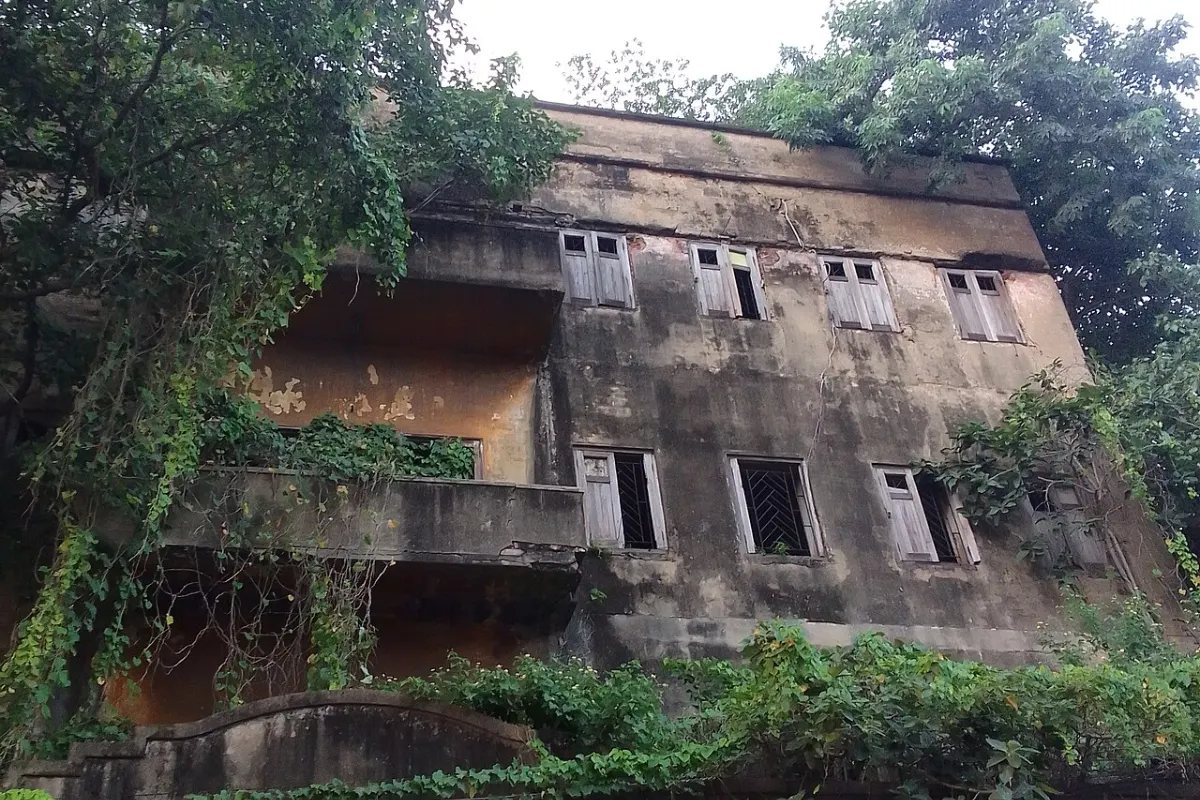
Stalled JDA projects are among the hardest problems a landowner can face: the old house is gone, the new one is half built and the family is paying rent. The agreement's exit clause, the registered documents and RERA's complaint route are the tools. Our guide to the early signs of a stalling site helps spot trouble early. If it happens, act quickly: send a written notice under the agreement, take legal advice, revoke the power of attorney where the agreement allows, and file a complaint with WBRERA if the project is registered.
We work with landowners from the start, with the engineering and the costing on the table, so that they negotiate knowing what their plot can hold and what it costs to build.
Questions to settle before signing
- Sharing ratio — of saleable area or revenue? Defined how, measured by whom?
- Who pays what: approvals, construction, GST on the landowner's share?
- Timeline with a delay clause that has teeth — rent compensation, penalties.
- What happens if the developer stalls mid-way — exit and completion rights.
- Quality specification for YOUR share, not just the saleable units.
Questions people ask
What share of the flats should a landowner get?
There is no standard split. It depends on the plot's location, size and road, what the rules allow on it and who bears which costs. Knowing what the plot can hold and what it costs to build is the best basis for negotiating.
Should the development agreement be registered?
Yes. In West Bengal, development agreements and their powers of attorney are normally registered, with stamp duty paid. An unregistered memorandum gives the owner very little protection.
Can the developer sell your flats?
Only if the power of attorney allows it, which it should not. Keep the power of attorney limited to the developer's own allocation, tied to the agreement and revocable on breach.
What if the project is delayed?
The agreement should set a monthly compensation for each month of delay beyond a grace period, as well as rent for temporary housing, and an exit if the delay runs too long. Without such clauses, a delay costs the developer little and the owner a great deal.
Does the landowner have duties under RERA?
Where the builder and the seller are different persons, RERA can treat both as promoters for those sales. If you plan to sell flats from your share, take legal advice.
Do all the co-owners have to sign?
Yes. Every co-owner must agree and sign the agreement and the power of attorney, and the title must be clear, before a developer can safely start.
Red flags
- An unregistered 'understanding' plus a power of attorney — the classic trap
- General Power of Attorney signed before any construction obligation is met
- No completion timeline, or one with no consequence attached
Pro tip
We facilitate JDAs with the engineering and costing on the table — landowners negotiate best when they know exactly what their plot can hold and what it costs to build.
Try it in our Lab: Plot Potential
Sources
- The Real Estate (Regulation and Development) Act, 2016 (sections 2(zk), 3 and 4) (checked 15 Nov 2026)
- West Bengal Real Estate Regulatory Authority (checked 15 Nov 2026)
- The Registration Act, 1908, and the Directorate of Registration and Stamp Revenue, West Bengal (checked 15 Nov 2026)
- The West Bengal Premises Tenancy Act, 1997 (checked 15 Nov 2026)
Checked against these sources on the dates shown, pending our team’s sign-off.