Construction-linked loans — how disbursement actually works
For self-construction and under-construction purchases, banks release the loan in tranches tied to physical progress (plinth, each slab, brickwork, finishing), usually after an inspection or an engineer's certificate per stage. Two consequences: your contractor's payment schedule must roughly match the bank's release schedule, and paperwork delays stall the site even when the mason is ready.
A construction-linked loan is a salary, not a lottery — it arrives in instalments as the work 'earns' it. Cashflow planning is matching your contractor's payday to your bank's payday.
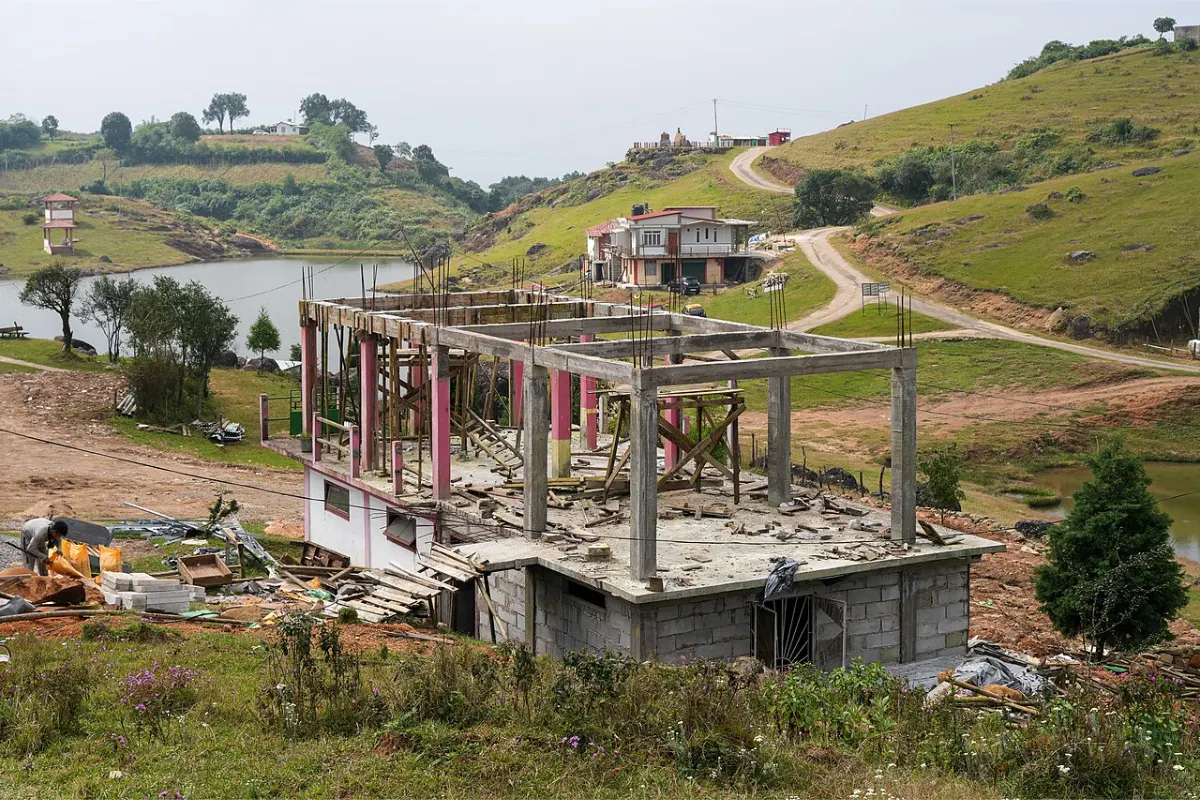
A loan for building a house, or for a flat that is still under construction, is not paid out in one go. The bank releases it in instalments, called tranches or disbursements, as the building goes up: after the plinth, after each slab, after the brickwork and so on, usually once its engineer or valuer has seen the work or your architect has certified it. That protects the bank from lending against a building that does not exist yet, and it shapes how you have to plan the money on site.
This guide explains how construction-linked loans work for building on your own plot and for buying a flat under construction, what the bank asks for at each stage, how to match the contractor's payment schedule to the bank's, what pre-EMI interest is, the papers needed before the first tranche, how to avoid delays, and what happens if the project stops. The Loan Papers checklist in our Lab lists the documents for your case.
How a construction-linked loan works
When the loan is sanctioned, the bank fixes the total it will lend and the stages at which it will release it. Rules from the Reserve Bank of India cap the share of the cost a bank may lend, the loan-to-value ratio, between 75 and 90 percent depending on the size of the loan. The rest is your own contribution, the margin, and most banks ask you to put it into the building first, before their money starts.
Each later tranche follows a request from you, with evidence that the next stage is done. The bank checks the evidence, often sends its engineer or an empanelled valuer to the site, and then releases the money, either to you or directly to the contractor or the promoter. Until the loan is fully released, you usually pay interest only on what has been paid out, called pre-EMI interest, or you can choose to start full repayments early.
Building on your own plot
For a house on your own land, the bank looks first at the plot and the papers: a clear title, the land record and mutation in your name, the land classed for building (see our land conversion guide), the sanctioned plan and an estimate of the cost of construction, usually from an architect or engineer. Some banks also lend for the plot itself, as a first tranche, if it is bought with the same loan.
The construction stages then follow the building. The list below is typical; each bank sets its own stages and shares, and the sanction letter states them.
| Stage | What the bank usually asks for |
|---|---|
| Before the first tranche | Title papers, sanctioned plan, cost estimate, proof that your own contribution has been spent |
| Plinth | Your request, an engineer's or architect's certificate, photographs; often a site visit |
| Each slab | The same, for each roof slab cast |
| Brickwork and plaster | The same, with the walls up and plastered |
| Flooring, doors and finishing | The same, with the finishes done |
| Completion | The completion or occupancy certificate where the bank asks for it, and a final visit |

Buying a flat under construction
For a flat bought from a promoter, the bank pays the promoter in stages under a construction-linked payment plan, as the building reaches the stages in your agreement for sale. Many banks sign a tripartite agreement with you and the promoter. The Real Estate (Regulation and Development) Act, 2016 limits what the promoter may take before a registered agreement for sale to 10 percent of the cost, and requires the project to be registered; our RERA guide explains both.
Some projects offer subvention schemes, in which the promoter pays the interest for a period. They can look attractive, but the loan is still in your name: if the promoter stops paying, the bank looks to you. Read the scheme's terms, and confirm that the stage demands match real progress before the bank releases each tranche.
Matching the contractor's schedule to the bank's
The commonest problem on a loan-funded house is timing. The bank pays after a stage is finished and checked; the contractor needs money for materials and labour before and during it. If the two schedules are not aligned, the site waits for the bank, or you pay the contractor ahead of the work, which is exactly what stage payments are meant to prevent.
The fix is in the planning. Write the contractor's payment stages to match the bank's stages, as our guide to payment milestones explains. Keep a working-capital buffer of roughly one stage's cost from your own funds, or agree material credit with the contractor, so the site never stops for a bank visit. And ask the bank at the start how long its inspections and releases usually take, so the schedule allows for them.
Pre-EMI, full EMI and the cost of time
While the loan is being released, most borrowers pay pre-EMI: interest only on the amount paid out so far. It keeps the monthly payment low during construction, but none of it reduces the loan, and a long build means many months of pre-EMI before the full repayments begin. Some banks let you start full EMIs from the first tranche, which costs more each month but shortens the loan.
Either way, time costs money. A build that runs six months late adds six months of pre-EMI, often on top of rent where you live now. The tax treatment of interest paid during construction has its own rules; ask your tax adviser for your case.
The papers before the first tranche
Most delays to the first tranche are paperwork. Gathering it before you apply saves weeks.
- The title deed, and the chain of earlier deeds for the plot.
- The land record (khatian or porcha), mutation in your name and the property tax receipts.
- The land conversion order, where the plot was agricultural land.
- The sanctioned building plan and the permit.
- The cost estimate, with a breakup by stage, from an architect or engineer.
- Your own documents: identity, address, income proof and bank statements, as the bank lists.
- For a flat: the agreement for sale, the project's RERA registration, the promoter's papers and the payment plan.
Avoiding delays at each stage
- Agree the stage list and the papers for each stage with the bank at sanction, in writing.
- Line up the engineer or architect who will certify the stages before work starts.
- Photograph each stage from the same points, with the date, as it is completed.
- Send each request as soon as a stage is done, with everything the bank asks for at once.
- Keep bills and receipts for materials and payments, in case the bank asks how the last tranche was used.
- Follow up on the bank's site visit, and keep the contractor informed of the expected date.
If the project slows or stops
If a self-built house stops, the bank stops releasing tranches, but the loan already paid out still has to be repaid, with interest. Restarting usually means a revised estimate and, if the contractor changes, a new agreement the bank can see. Our guide to the early signs of a stalling site helps catch problems before they become a stop.
If a promoter's project stops, your loan continues too. RERA gives buyers a route to complain to the West Bengal Real Estate Regulatory Authority, and our RERA guide explains it. Keep paying the bank while you pursue the promoter: missed repayments damage your credit history whatever the cause.
What the bank typically wants per tranche
- A disbursement request with a progress photo set or engineer's certificate.
- Sometimes a physical inspection by the bank's empanelled valuer.
- On some products, utilization proof for the previous tranche.
The gap most owners hit
Stage gaps: the bank pays AFTER the slab is cast, but the contractor needs material money BEFORE. Plan a working-capital buffer of one stage — or negotiate material credit — so the site never waits on a bank visit.
Questions people ask
Does the bank pay the contractor directly?
Some banks pay the contractor or the promoter directly; others pay into your account against the stage certificate. The sanction letter says which. For a flat, the promoter is usually paid directly under the tripartite agreement.
Why does the bank want your own money spent first?
The bank lends only a share of the cost. Spending your contribution first keeps its share of the money in step with the value of what has been built.
What is pre-EMI interest?
Interest on the part of the loan paid out so far, paid monthly while the building goes up. It does not reduce the loan; full repayments start once the loan is fully released, unless you choose to start them earlier.
How long does each tranche take?
It depends on the bank and on how complete your request is. Ask at the start, and plan a buffer of about one stage's cost so the site does not wait for a release.
Can the stages in the contract differ from the bank's?
They can, but it causes cash gaps. Write the contractor's payment stages to match the bank's as closely as you can.
What if the bank's valuer says a stage is not complete?
Find out exactly what is missing, have it finished and photographed, and ask for a revisit. Clear stage definitions in both the loan and the contract prevent most of these disagreements.
Red flags
- A contractor payment schedule that ignores the bank's stage list entirely
- No engineer lined up to certify stages — every tranche becomes a scramble
- Tranche money spent on anything other than the certified stage
Pro tip
Our progress reports are formatted to double as bank-ready stage evidence — dated photos, milestone certificates — so disbursements track the site instead of chasing it.
Try it in our Lab: Loan Papers
Sources
- Reserve Bank of India: housing finance, loan-to-value ratios for individual housing loans (checked 15 Nov 2026)
- National Housing Bank: guidance for home loan borrowers (checked 15 Nov 2026)
- The Real Estate (Regulation and Development) Act, 2016 (section 13, advances) (checked 15 Nov 2026)
- West Bengal Real Estate Regulatory Authority (checked 15 Nov 2026)
Checked against these sources on the dates shown, pending our team’s sign-off.