Paint defects decoded — peeling, blistering, chalking, efflorescence
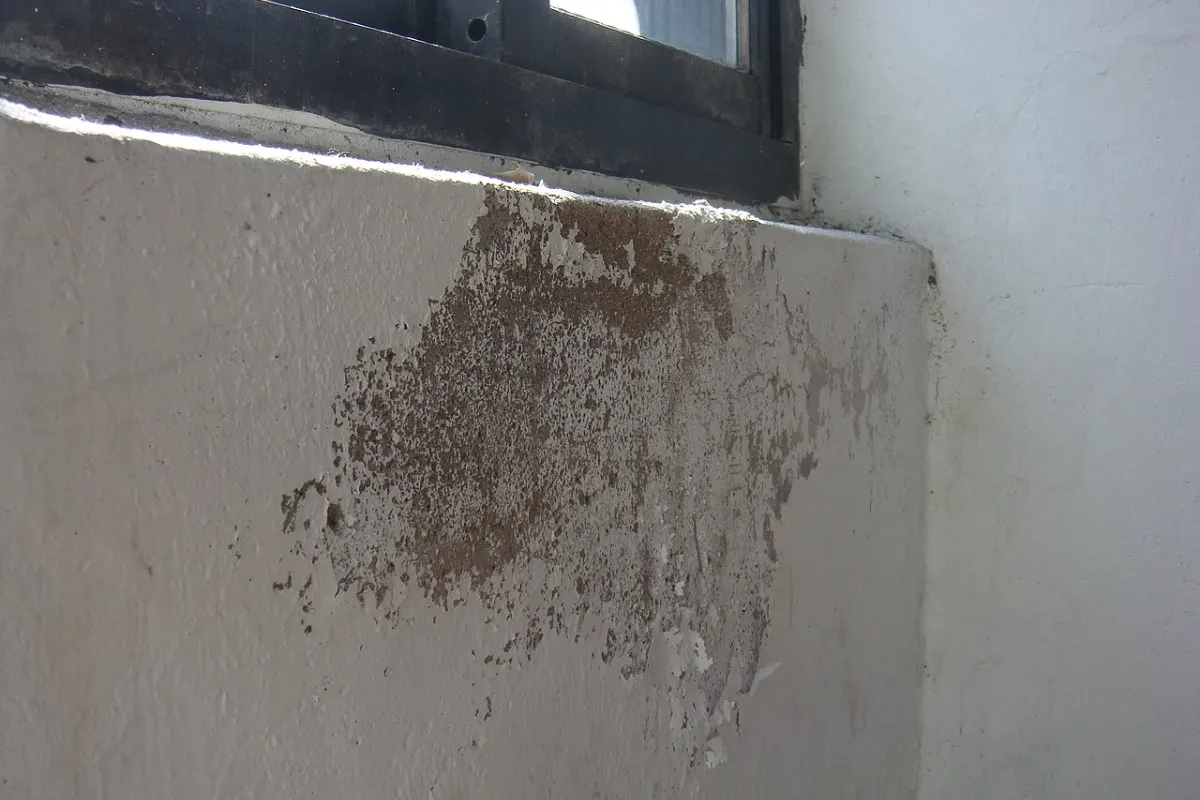
Four common paint failures, four different causes: PEELING means the surface was dusty, damp or unprimed — the paint never gripped. BLISTERING is moisture pushing out from inside the wall — a damp problem wearing a paint costume. CHALKING (powder on your palm) is aged, UV-degraded paint — normal on old exteriors. EFFLORESCENCE (white salt patches) is water migrating through masonry carrying salts — fix the water source before repainting or it returns through the new coat.
Paint is a bandage — it can protect healthy skin but it can't heal a wound underneath. Three of these four defects are the wall talking, not the paint failing.
Paint is the last layer of a wall, and it is the one that takes the blame. When paint peels, blisters, chalks or turns white with salt, the cause is usually not the paint itself but the wall under it: dust, damp, salts, new plaster painted too soon, or an old coat that was never removed. Repaint without finding the cause, and the same defect comes back through the new coat, often within a season.
This guide explains how a paint system holds onto a wall, decodes the common defects and what each one means, gives the checks that diagnose them, the sequence for repainting a problem wall, what is different in Kolkata, especially with damp, salts and algae, and how to prevent the defects on new work. Our paint types guide explains the paints themselves, and the Damp Diagnoser in our Lab helps find the water behind a damp wall.
How paint holds onto a wall
Paint is a thin film that has to stick to a surface for years through heat, damp and cleaning. It holds only if the surface is sound, clean, dry and suitable for it. A paint system is built up in layers, each doing its own job: the surface preparation, a primer that seals the surface and gives the paint something to grip, putty or filler where the surface needs smoothing, and two finish coats.
Most defects start in the bottom layer. Paint on dust grips the dust, not the wall. Paint on a damp wall is pushed off by the water behind it. Paint on new cement plaster, which is strongly alkaline, can be attacked by the alkali unless the plaster has dried and an alkali-resistant primer is used. And paint over old distemper or loose paint is only as good as the old layer under it.
The defects decoded
| Defect | What you see | Usual cause |
|---|---|---|
| Peeling and flaking | Paint lifting in sheets or flakes | Dust, damp, old distemper or loose paint underneath, no primer |
| Blistering | Bubbles in the paint film | Moisture or trapped water vapour pushing out from the wall |
| Efflorescence | White, powdery or crusty salt patches | Water moving through the masonry, carrying salts to the surface |
| Chalking | A fine powder that comes off on your palm | Old paint broken down by sunlight; normal on old outside walls |
| Mould and algae | Black, grey or green spots and streaks | Damp surfaces, poor ventilation, shade and humidity |
| Alkali attack | Patchy colour, soft or sticky paint on new plaster | Painting before the plaster dried, without an alkali-resistant primer |
| Cracking and crazing | Fine cracks in the paint film | Paint too thick, too brittle, or cracks in the plaster below |
| Patchy sheen | Uneven gloss or colour across a wall | Uneven absorption: no primer, or patches of fresh putty |
| Stains bleeding through | Brown or yellow marks reappearing | Old water stains, rust or resin not sealed with a stain-blocking primer |
Peeling, blistering and damp
Peeling and blistering are the two defects most often treated as paint problems when they are water problems. A blister that is wet inside, or a patch that peels again and again in the same place, means water is reaching the wall from behind or below: a leaking pipe, a failed bathroom floor, a roof or terrace leak, rising damp from the ground or rain driven through an outside wall. Our damp guide explains how to tell these apart.
Peeling over a dry wall is a preparation problem: paint laid on dust, on chalky old paint, on old distemper or on a glossy surface that was not sanded. Emulsion over old distemper is a common one: the distemper softens under the new paint and the whole lot comes away. Old distemper has to be scraped off and the wall primed before an emulsion goes on.
Efflorescence: salt on the wall
Efflorescence is salt carried to the surface by water moving through the wall, left behind when the water evaporates. The salts come from bricks, sand, mortar or the ground. It is common on new walls as they dry out for the first time, and on old walls wherever water keeps passing through. Painting over it does not work: the salt keeps coming and pushes the new paint off.
- Find and stop the water source.
- Let the wall dry out, which can take weeks.
- Brush the salt off dry with a stiff brush, as often as it reappears; do not wash it with water, which carries it back in.
- Wait until no more salt appears, then prime with an alkali-resistant primer and paint.
- On walls with persistent salt, use a breathable paint system that lets the wall dry.

Chalking, mould and algae
Chalking is the normal end of an outside paint's life: sunlight breaks down the binder, and the pigment comes off as a powder. It is not a fault in itself, but new paint will not hold on a chalky surface until it is washed and primed with a primer that binds the chalk.
Mould and algae grow on damp, shaded surfaces: bathroom ceilings, the north faces of buildings, walls behind cupboards, the outside of walls near drains. Treat the growth with a fungicidal wash, let it dry, remove the cause of the damp or improve the ventilation, and use paints with anti-fungal and anti-algal protection where the conditions will come back.
Diagnosing a problem wall
Before quoting a repaint on a problem wall, we check the wall itself. A few simple tests tell you whether the problem is the paint or the wall.
- A moisture reading with a meter at several heights, compared with a dry wall in the same room.
- A tape test: press a strip of strong tape onto the paint and pull it off sharply; paint on the tape means poor adhesion.
- A scrape at the edge of a defect, to see which layer is failing: the paint, the putty, an old coat or the plaster.
- A look at where the defect is: low on the wall suggests rising damp, near a bathroom or pipe a leak, under a window or roof the rain.
- A tap on the plaster: hollow plaster has to be repaired before any paint will hold.
- The history: when the wall was last painted, with what, and whether the problem has come back before.
Repainting a problem wall
- Fix the cause: the leak, the damp, the drain, the ventilation.
- Let the wall dry out properly, and confirm it with the moisture meter.
- Remove everything loose: flaking paint, old distemper, failed putty, salts and mould.
- Repair the plaster where it is hollow or cracked; our plaster guide explains how.
- Apply the right primer for the surface: alkali-resistant on new or repaired cement plaster, a binding primer on chalky surfaces, a stain-blocking primer over old stains.
- Fill and smooth with putty where needed, and prime again over large patches of putty, so the finish dries evenly.
- Apply two finish coats of the paint suited to the place, at the maker's spreading rate and drying times.
One coat will cover it is the most expensive phrase in painting. On a problem wall, the preparation and the primer decide whether the new paint lasts a season or many years.

What is different in Kolkata
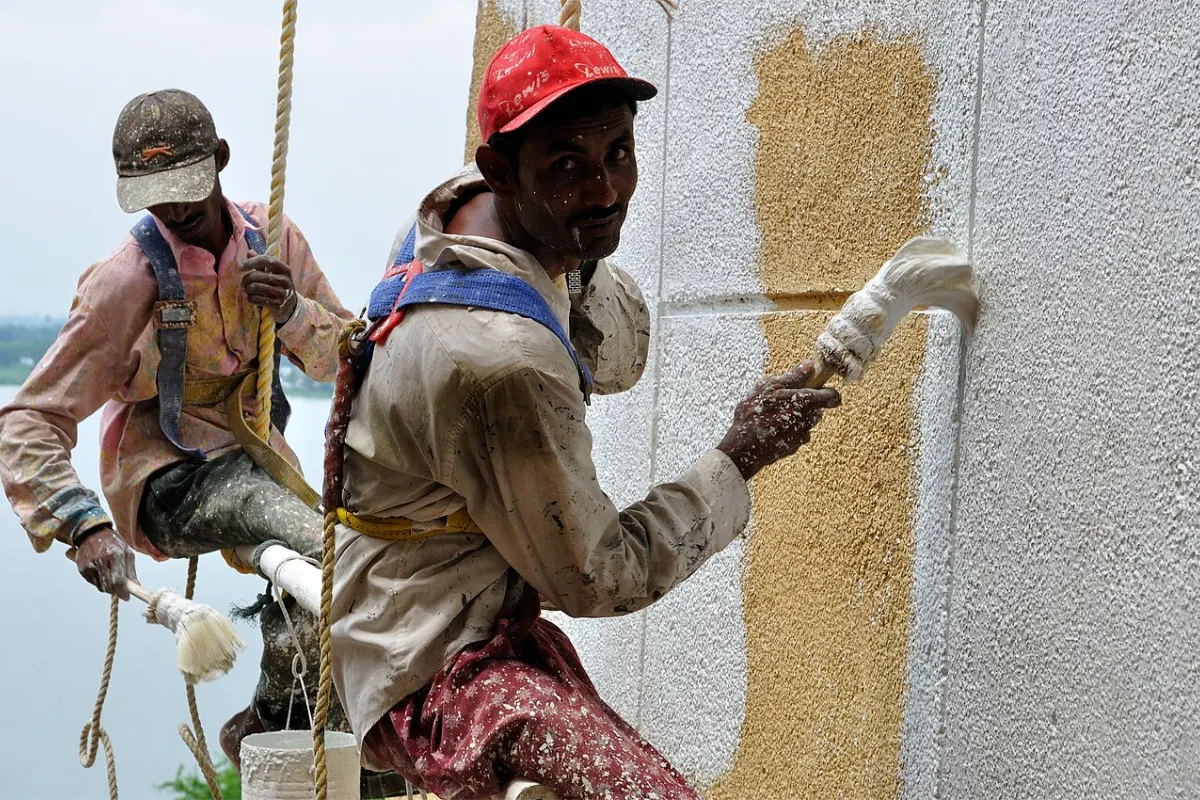
Kolkata's climate is hard on paint. Months of high humidity and heavy monsoon rain keep walls damp, so algae and mould grow on outside walls and in bathrooms, and damp walls blister and peel. Ground floors in older houses often carry rising damp and salts, so their lower walls show efflorescence and flaking soon after every repaint. Bricks and sand from some sources carry salts that come out as new walls dry. Old houses with lime plaster need paints that let the walls breathe; a tight, plastic film on a damp lime wall traps the water and peels.
The timing matters as well. Outside painting goes best in the dry months from November to March, before the heat and the pre-monsoon storms. Inside, painting during the humid months is possible with good ventilation, but drying takes longer, and walls that are damp from the monsoon should be given time to dry first.
Preventing defects on new work
- Let new cement plaster cure and dry before painting; paint makers commonly ask for about four weeks.
- Use an alkali-resistant primer on new plaster, and the putty and paint system the maker specifies for it.
- Keep putty to a thin skim for smoothness, not a thick layer to hide bad plaster, and keep it off walls that will be damp.
- Choose exterior paints made for outside walls, with anti-algal protection for Kolkata's monsoon.
- Fix the details that keep walls dry: drip grooves, sealed window joints, sound roof and bathroom waterproofing.
- Paint in suitable weather, not on wet walls, in rain or in the midday sun on an outside wall.
Questions people ask
Why does paint keep peeling in the same place?
Usually because water is reaching the wall there, from a leak, rising damp or rain, or because the old layer under the paint is loose. Find and fix the cause before repainting, or the new paint will peel too.
Can efflorescence be painted over?
No. The salt keeps coming through and pushes the new paint off. Stop the water, let the wall dry, brush the salt off dry until it stops appearing, then prime and paint.
How long should new plaster wait before painting?
Long enough to cure and dry; paint makers commonly ask for about four weeks for cement plaster. Then use an alkali-resistant primer before the putty and paint.
Is chalking a defect?
It is the normal ageing of outside paint in the sun. New paint will not stick to a chalky surface until it is washed and primed with a binding primer.
How do you stop mould on a bathroom ceiling?
Treat the mould with a fungicidal wash, improve the ventilation with an exhaust fan that runs during and after showers, check for leaks above, and repaint with an anti-fungal paint suited to wet areas.
Why did new emulsion peel off an old wall?
Often because it was painted over old distemper or loose paint, which softens and lets go under the new coat. Old distemper has to be scraped off and the wall primed before emulsion goes on.
Red flags
- Repainting quoted over damp patches with no damp treatment line item
- 'One coat will cover it' on efflorescence — it never does
- No primer in the quote for a bare-plaster surface
Pro tip
Our painting work starts with a moisture reading, not a colour card — the surface decides the system.
Try it in our Lab: Damp Diagnoser
Sources
- IS 2395 Painting Concrete, Masonry and Plaster Surfaces, Code of Practice (Bureau of Indian Standards) (checked 15 Nov 2026)
- CPWD Specifications (painting and finishing) (checked 15 Nov 2026)
- Bureau of Indian Standards: paints and allied products (including IS 15489 plastic emulsion paints) (checked 15 Nov 2026)
Checked against these sources on the dates shown, pending our team’s sign-off.