Structural audit — when your old building needs one
A structural audit is a professional health-check of a building's structure — condition of columns, beams, slabs, foundations and reinforcement — resulting in a report on its safety and any repairs needed. For ageing buildings it's not just prudent; many municipalities require a periodic audit for buildings beyond a certain age (commonly around 15+ years, and again at 30+, varying by local rules). Warning signs — cracks, leaning, spalling, sagging floors — mean you shouldn't wait for the calendar.
It's a full-body medical check-up for a building. You'd get one for an ageing relative even if they 'seem fine' — because the serious problems are the ones you can't see from the outside until they're advanced.
Buildings age quietly. Steel inside the concrete rusts for years before the concrete cracks off. Water from a bathroom works into a slab long before the ceiling below sags. Floors are added, tanks are put on roofs, columns are cut for pipes, and each change is small until together they are not. A structural audit is a methodical check of a building's structure by an engineer, ending in a written report on its condition and what needs to be done, and when.
This guide explains what an audit is and what it is not, when to get one, the rules in Kolkata and elsewhere, what happens during an audit, step by step, the tests and what they tell you, what the report should contain, how to act on it, audits for blocks of flats, and how to choose an engineer. Our Structural Safety tool in the Lab walks you round your building, and our Retrofit Priority Score helps decide what to look at first.
What an audit is, and what it is not
A structural audit looks at the parts that hold the building up: foundations as far as they can be seen, columns, beams, slabs, load-bearing walls, staircases, balconies, the roof and water tanks. It records their condition, finds the distress and its likely causes, tests the materials where needed, and grades the building and each part. It ends in a report with prioritised repairs.
It is not a valuation, a snagging list of finishes, or a check of the plumbing and wiring for their own sake, though leaks and electrical hazards that affect the structure are noted. It is also not a design for repairs; the repair design is a further step, based on the audit.
When to get one
- Warning signs: wide or growing cracks in columns, beams or slabs; concrete spalling with rusted steel; sagging or bouncy floors; doors and windows jamming across the building; walls leaning or bulging.
- Age: a building of thirty years or more that has never been checked, especially one with known leaks.
- Changes: before adding a floor, a water tank, a terrace garden or heavy equipment, or changing use.
- Purchase: before buying an older house, flat or building.
- Events: after a fire, a flood, an earthquake, or damage from work next door.
- Renovation: before major work that may cut into walls, columns or slabs.
- Notice: when the municipality has issued a notice about the building's condition.
The rules
Some cities require periodic audits by law; Mumbai, for example, requires them for buildings over thirty years old. In Kolkata, the Kolkata Municipal Corporation Act, 1980, gives the Municipal Commissioner powers over buildings found to be dangerous, including requiring the owner to repair, secure or demolish them (section 411), and KMC lists buildings it finds dangerous. A structural stability certificate from a structural engineer is required with the notice of completion of new work and additions under the KMC Building Rules, 2009. We know of no general rule in Kolkata that sets an age at which every building must be audited; check with your municipality, because rules change, and treat age and warning signs as reasons enough.
What happens during an audit
- The engineer collects what exists: the sanctioned plan, the structural drawings, past repair records and the history of additions and leaks.
- A walk through the whole building, inside and out, roof to ground, recording every crack, stain, spall, sag and change.
- A closer look at critical parts: ground floor columns, the parking floor, balconies, the staircase, the roof and tank supports, wet areas.
- Tests where the visual survey raises questions or the report needs numbers.
- An analysis, where needed, of how the building carries its present and planned loads, including earthquake forces.
- A report with findings, grades, causes and prioritised repairs.
- A meeting to walk the owners through the report.
The tests and what they tell you
Not every audit needs every test. The engineer chooses them from what the survey finds, so the money goes where the doubt is. IS 516 covers non-destructive testing of concrete; IS 15988 covers the evaluation of existing buildings for earthquakes.
| Test | What it tells you |
|---|---|
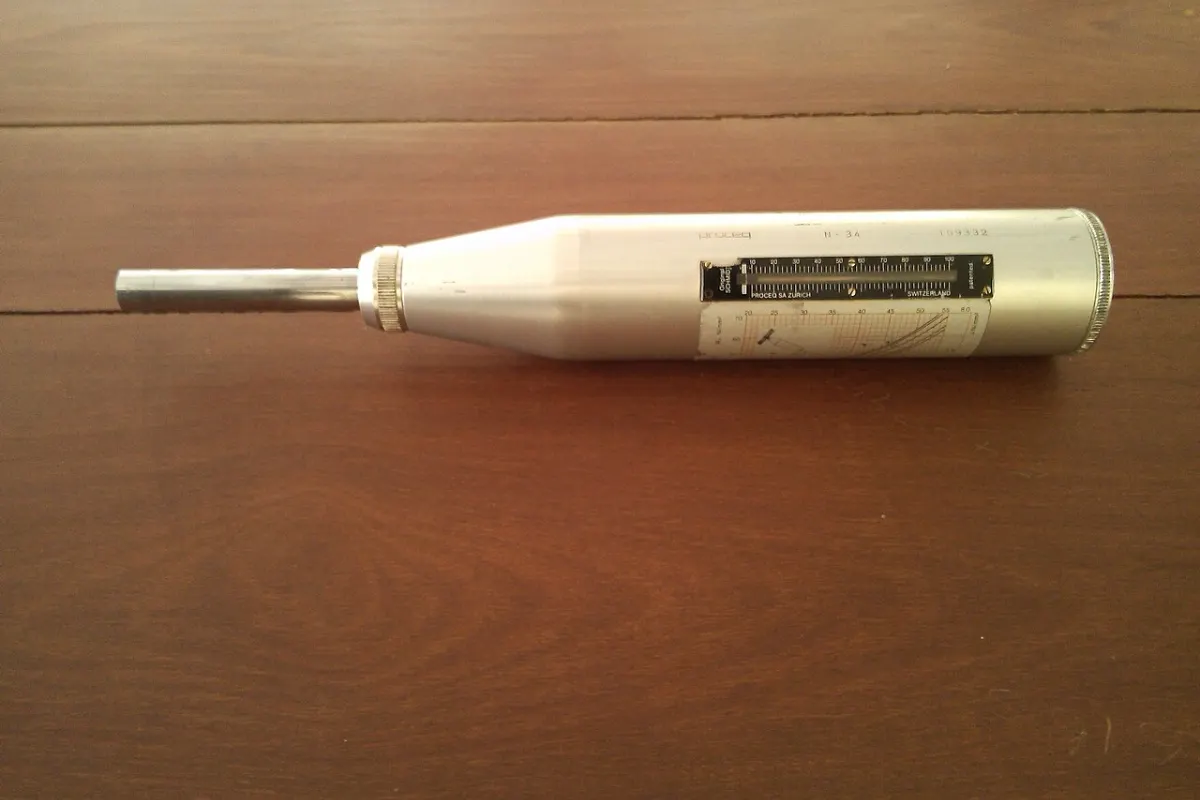
| Rebound hammer | Compares the surface hardness of concrete across members; finds weak areas |
| Ultrasonic pulse velocity | Finds voids, cracks and poor concrete inside a member |
| Core cutting and testing | The actual strength of the concrete at chosen points |
| Cover meter or rebar scanner | Where the steel is, and how much concrete covers it |
| Carbonation depth | Whether the concrete still protects the steel from rust |
| Chloride content | Whether salts are attacking the steel |
| Half-cell potential | Where the steel is likely to be rusting |
| Load test, where needed | How a slab or beam behaves under a known load |

What the report should contain
- What was seen and tested, with dates, and what could not be seen.
- Drawings or sketches marking each member and its condition.
- Photographs of the distress, keyed to the drawings.
- The test results and what they mean.
- The likely cause of each problem: leaks, rust, overload, poor construction, settlement.
- A grade for the building and for each part, from sound to dangerous.
- Repairs in order of urgency: what is needed now for safety, what within months, what at the next maintenance.
- Whether the building can be used meanwhile, and any parts that should be closed or propped.
- The engineer's name, qualification, registration and signature.
Acting on the report
Urgent items come first: propping a sagging slab or a damaged balcony, closing a dangerous area, stopping a leak that is feeding rust. Then the repair design: an engineer prepares drawings and specifications for each repair, such as concrete repairs, column jacketing, crack repairs or waterproofing, so that contractors can price the same work. Our guides to column jacketing, crack repair methods and spalling explain the common repairs.
After repair, keep the report, the repair drawings and the records together, and plan the next check. A building that has been audited and repaired should be looked at again after some years, or sooner if new signs appear.
Audits for blocks of flats
In an apartment building, the structure is common to all the owners, so the audit is a matter for the association. One owner can commission a check of their own flat, but the useful answer comes from the whole building: the ground floor columns, the roof and the tanks affect everyone. The association should commission the audit, share the report with every owner, and plan the repairs and their cost together. In older buildings with tenants, the owner's duty to keep the building safe also comes into it.
Choosing an engineer
- A structural engineer with experience of existing buildings, not only new design.
- Registered or empanelled with the municipality where that applies.
- Willing to list the scope and the tests in a written proposal before starting.
- Independent of any contractor who will be paid for the repairs, or open about the link.
- A sample report from an earlier audit, with names removed.
- Clear about what the fee covers: the survey, the tests, the report, and a meeting to explain it.
When to get one
- By age: check your local municipal rule — periodic audits are often mandatory past roughly 15 and 30 years.
- By symptom (don't wait): visible cracks in structural members, tilting, spalling with exposed steel, sagging or bouncy floors, doors and windows jamming across the building.
- Before you buy or heavily renovate an older building, or before adding load like a new floor.
What the report gives you
A grading of the structure's condition, the specific distress found, and prioritised repairs — from routine maintenance to urgent strengthening. It turns 'the building feels old' into a clear, costed action list, and protects you legally where audits are mandated.
Questions people ask
When does a building need a structural audit?
When it shows warning signs, before adding load or a floor, before buying an older property, after a fire, flood or earthquake, or when it is old and has never been checked. Some cities also set ages by law.
Is a structural audit compulsory in Kolkata?
We know of no general rule in Kolkata that sets an age for compulsory audits; the municipality can act on dangerous buildings under the KMC Act. Check with your municipality, because rules change.
How long does an audit take?
For a house or a small block, the site work usually takes a few days, then the tests and the report. Larger buildings take longer.
Does an audit damage the building?
Most tests are non-destructive. Cores cut a small hole that is filled afterwards; a few points of plaster may be removed to see the steel.
Who should pay for an audit in a block of flats?
Usually the association, from all the owners, because the structure is common to everyone.
Do you carry out audits and repairs?
Yes. Our engineers carry out structural audits and, where needed, design and carry out the repairs the report recommends.
Red flags
- An older building past its mandated audit age with none done
- Multiple structural warning signs ignored as 'just old age'
- Buying or adding a floor to an old building with no audit
Pro tip
A structural audit replaces guesswork with a clear condition report and repair plan. Our engineering team conducts audits and, where needed, carries out the retrofitting the report recommends. Check your local municipal requirement for mandatory audit ages.
Work it out: Retrofit Priority Score
Sources
- IS 15988:2013 Seismic Evaluation and Strengthening of Existing Reinforced Concrete Buildings, Guidelines (Bureau of Indian Standards) (checked 15 Nov 2026)
- IS 516 Methods of Tests for Strength of Concrete, including non-destructive testing (Bureau of Indian Standards) (checked 15 Nov 2026)
- The Kolkata Municipal Corporation Building Rules, 2009 (structural stability certificate, rule 27) (checked 15 Nov 2026)
- CPWD Handbook on Repair and Rehabilitation of RCC Buildings (checked 15 Nov 2026)
Checked against these sources on the dates shown, pending our team’s sign-off.