Paint, texture, wallpaper or panels — wall finishes compared honestly
Plain emulsion is the cheapest to apply and the cheapest to renew — that second property matters more. Textures hide wall defects but lock you in (removing texture means re-plastering skim coats). Wallpaper transforms a wall fast but hates damp walls. Panelling (louvers, veneer, stone) is furniture on your wall: budget and clean accordingly.
Choose wall finishes like haircuts, not tattoos. The wall will want to change in 5–7 years; prefer finishes that step aside gracefully.
The walls are the largest surface in any home, and the finish on them sets the mood of every room. The choice is wider than ever: plain emulsion paint, textures and stucco, wallpaper, wood and laminate panels, louvres, stone and tile cladding, lime and clay plasters. Each looks different on the day it goes up. They differ even more in what happens five or seven years later, when you want to change the room, or when a damp patch appears behind them.
This guide compares the main finishes honestly, explains why the wall underneath matters more than the finish on it, covers damp and Kolkata's climate, cleaning and wear, how each one is renewed, the fixing and safety of heavier finishes, and the checks. Our Room Paintable Area Calculator works out the area to cover, and our paint types and paint defects guides cover paint in detail.
The finishes compared
| Finish | Strong points | Renewal | Damp tolerance |
|---|---|---|---|
| Emulsion paint | Inexpensive, endless colours, easy to touch up | Repaint over it | Good on a sound, dry wall |
| Texture and stucco | Hides small defects, gives depth | Hard to remove; usually skimmed over or ground off | Good |
| Wallpaper | Patterns and textures paint cannot give, quick to install | Strippable kinds peel off; others need soaking and scraping | Poor: lifts and grows mould on damp walls |
| Wood, laminate and MDF panels, louvres | Warmth, acoustics, hides services | Unscrew, then make good the wall | Traps damp behind if the wall is wet |
| Stone and tile cladding | Durable, easy to clean, premium look | Breaking off; heavy work | Good, if fixed and grouted well |
| Lime and clay plasters | Breathable, soft look, suit old walls | Re-coat or repair in patches | Good on walls that need to breathe |
The wall comes first
Every finish shows the wall under it, and premium finishes show it most. Dark and glossy paints highlight every wave and patch in the plaster. Wallpaper and panels lift or rot over damp. Textures crack along the same cracks the plaster had. Before choosing, check the wall: tap it for hollow plaster, look along it against a window for waves, look for cracks and their pattern, and check for damp with a meter if there is any doubt.
Preparation is most of the work: repairing hollow and cracked plaster, letting new plaster cure and dry, applying a primer suited to the surface, filling and smoothing with putty only as thin as needed. A wall that needs two weeks of patient preparation should get it, or the finish becomes an expensive cover over a problem.
Damp and Kolkata's climate
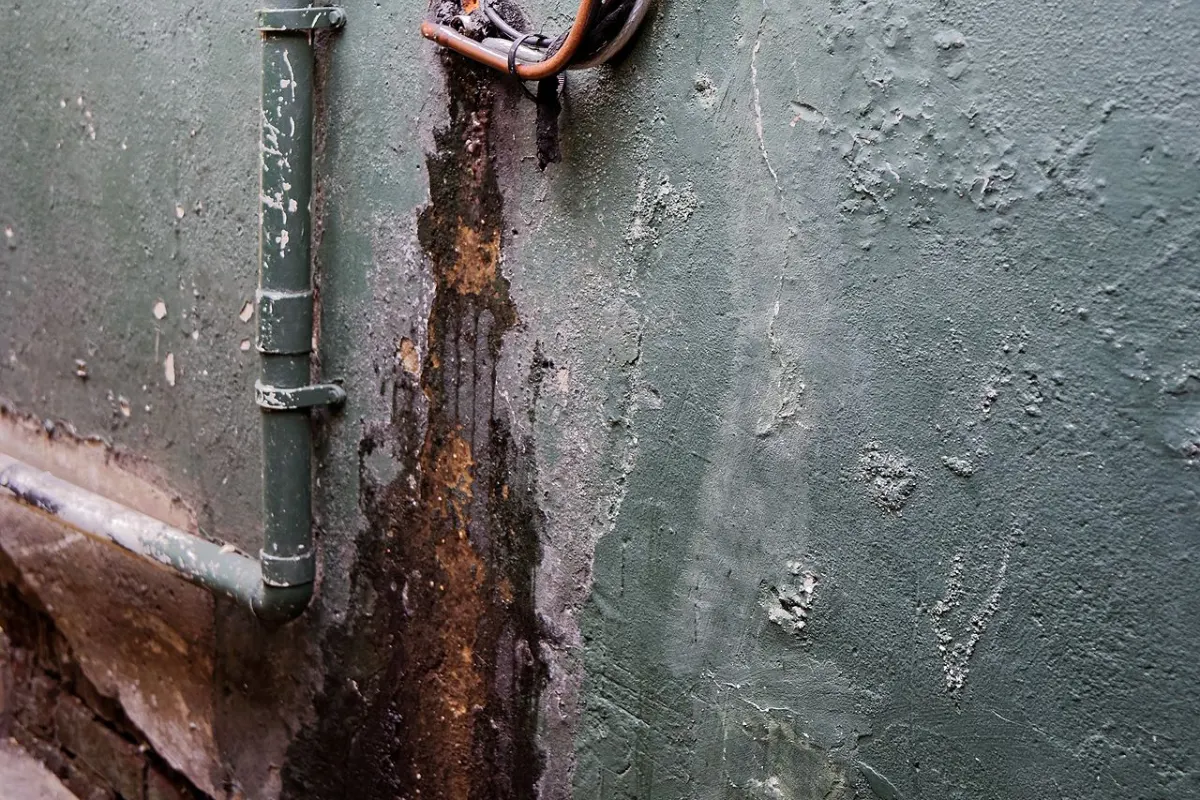
Kolkata's humid months are hard on wall finishes. Outside walls take driven rain; ground floor walls in older houses often carry rising damp and salts; bathroom walls and the walls behind kitchens stay damp. Wallpaper, MDF panels and dense, plastic paints are the finishes that suffer most on such walls: they trap moisture, lift, swell and grow mould. On walls with any history of damp, find and fix the cause first; our damp guide and the Damp Diagnoser help. Then choose finishes that tolerate or let out moisture: breathable paints, lime plasters, or tile and stone.
Panels on outside walls should be fixed on battens with an air gap behind them and a treated backing, never tight against the wall, so any moisture can dry rather than collect.

Cleaning and wear
- Washable emulsion and satin finishes take wiping in kitchens, corridors and children's rooms; flat matt finishes mark more easily.
- Textures collect dust in their hollows and are harder to wipe.
- Vinyl wallpapers wipe clean; paper and fabric ones do not.
- Wood and laminate panels wipe clean but scratch; veneers need their own care.
- Stone and tiles are the easiest to clean, but grout lines stain unless sealed.
- High-traffic places, such as the corridor at hand height and the wall behind the dining table, wear first: a washable finish or a dado there saves repainting the whole room.
Renewal: the question to ask now
Most rooms are redone every five to ten years. The finish that is cheapest to renew is the one that steps aside most easily. Emulsion paint is simply repainted. Texture usually has to be skimmed over with fresh plaster or ground off before a smooth finish can go on, which is a much larger job. Wallpaper that is sold as strippable peels off dry; ordinary papers need soaking and scraping, and can pull plaster with them. Panels come off but leave fixings and holes to make good. Stone and tile come off only by breaking them.
None of this makes a durable finish the wrong choice. It means choosing it for the walls where it will stay, such as a feature wall you love or a bathroom, and using easy-to-renew finishes where tastes are likely to change.
Heavier finishes: fixing and safety
- Stone and large tiles on walls need an adhesive suited to their weight and size, and mechanical fixings above a certain height, as the maker and the cladding code describe.
- Panels and louvres need battens fixed into the wall with anchors suited to the wall material; AAC and hollow blocks need their own anchors.
- Heavy finishes on partition walls need checking: a thin wall may not carry stone cladding or heavy shelves.
- Services behind panels need access: switches, sockets, valves and junction boxes must remain reachable.
- Finishes near cooking hobs and heaters must not be combustible, and panels in escape routes of larger buildings should meet the fire rules.
Checks
- Check the wall for damp, hollow plaster and cracks before choosing.
- Fix the causes of any damp, and repair the plaster.
- Agree the finish, the maker, the product and the preparation in writing.
- Inspect the wall after primer and putty, before the finish goes on, in daylight and with a light held low along it.
- For wallpaper, check the seams and that the pattern matches; for panels, check the battens and the air gap before they close; for stone and tiles, tap for hollow spots.
- Keep a little of the paint or a spare roll, panel or tile for repairs, with the product name and batch.
The comparison that matters
| Finish | Renewal story | Damp tolerance |
|---|---|---|
| Emulsion paint | Repaint over it — easiest reset | Good, if wall is sound |
| Texture / stucco | Grind or skim to remove — costly reset | Good |
| Wallpaper | Strippable grades peel off; cheap grades don't | Poor — lifts and molds on damp walls |
| MDF/louver panels | Unscrew, but wall behind needs making good | Traps moisture behind if wall leaks |
One rule before any premium finish
Fix the wall first. Wallpaper, panels and dark paints all magnify what's behind them — damp patches, undulation, hairline cracks. The finishing trade's proverb holds: preparation is 70% of the finish. A wall that needs putty, primer and two weeks of patience gets exactly that, or the premium finish becomes an expensive bandage.
Questions people ask
Which wall finish is cheapest in the long run?
Usually emulsion paint, because it is the cheapest to renew: you simply repaint over it.
Can wallpaper be used in Kolkata?
Yes, on dry, sound inside walls, ideally in vinyl or non-woven kinds. Avoid it on walls with any damp history, outside walls with leaks, and bathrooms.
Is texture paint good for hiding cracks?
It hides fine defects, but not cracks that are still moving; they come back through it. Diagnose and repair cracks first.
Can panels be fixed on an outside wall?
Yes, on battens with an air gap and a treated backing, after checking the wall is dry. Panels fixed tight to a damp wall trap moisture and rot.
How do you remove texture from a wall?
Usually by skimming over it with fresh plaster or grinding it off, both larger jobs than repainting.
Do you design and install wall finishes?
Yes. Our interiors team chooses finishes to suit each wall and its conditions, prepares the walls and installs them.
Red flags
- Wallpaper quoted for a wall with any damp history
- Texture proposed to 'hide' cracks that were never diagnosed
- Panels installed tight to an external wall with no gap or backing treatment
Pro tip
For feature walls on external faces, get the damp check done first — finishes fail from behind, and the redo costs more than the diagnosis.
Work it out: Room Paintable Area Calculator
Sources
- IS 2395 Painting Concrete, Masonry and Plaster Surfaces, Code of Practice (Bureau of Indian Standards) (checked 15 Nov 2026)
- CPWD Specifications (finishing) (checked 15 Nov 2026)
- IS 4101 (Part 1) Code of Practice for External Facings and Veneers: Stone Facing (Bureau of Indian Standards) (checked 15 Nov 2026)
Checked against these sources on the dates shown, pending our team’s sign-off.